- Products
- Solutions
-
SolutionsExplore All Solutions
-
- Support
-
SupportExplore All Support
-
- About us
-
About usExplore All About us
-
- Contact
English
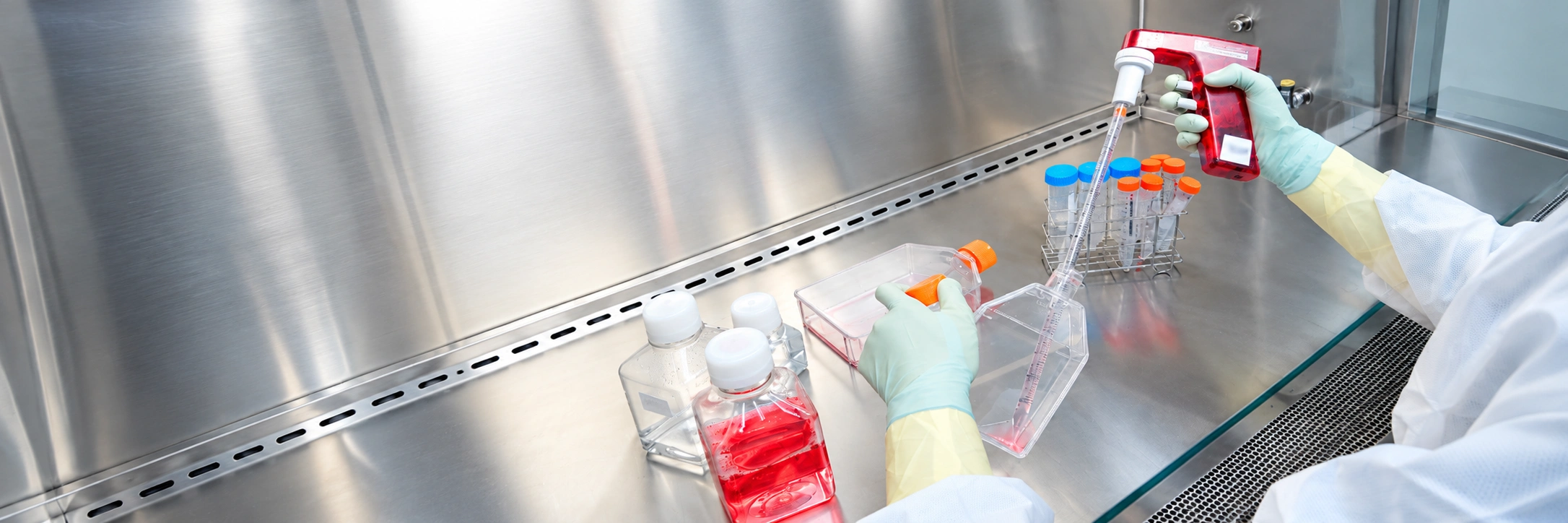
Cell culture is a continuous laboratory process that begins with the recovery of cryopreserved cells, continues through routine culture, medium changes, and multiple rounds of passaging and expansion, and ultimately yields cells that meet experimental requirements for harvesting. Culture vessels, liquid handling consumables, filtration products, and sample handling consumables are used across different stages of laboratory workflows. Selecting suitable laboratory products and following standardized procedures can help maintain stable culture conditions and improve consistency and reproducibility in cell culture.
We offer laboratory products for key stages including cell recovery, culture maintenance, passaging, expansion, and cell harvesting, providing complementary support for routine cell culture and subsequent research.
Cell culture typically begins with cell recovery from frozen stocks. After thawing, frozen cells require transfer, medium addition, centrifugation, resuspension, and initial seeding to gradually regain normal growth status and proceed to subsequent culture stages.
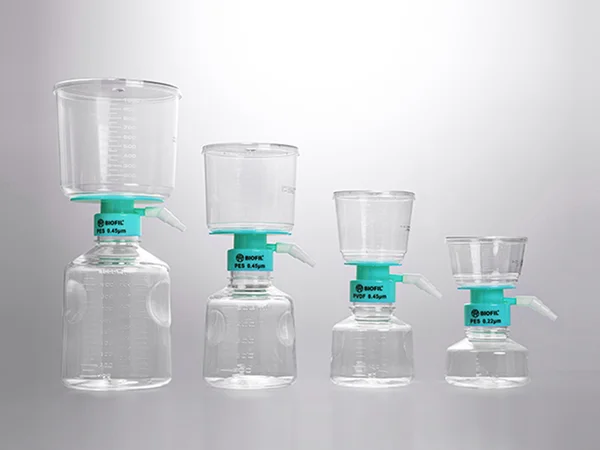
During recovery, preparing culture medium and buffer, filtering liquids, and transferring them accurately are essential basic procedures. Clean liquid-handling and culture consumables suitable for cell culture help establish stable initial culture conditions.
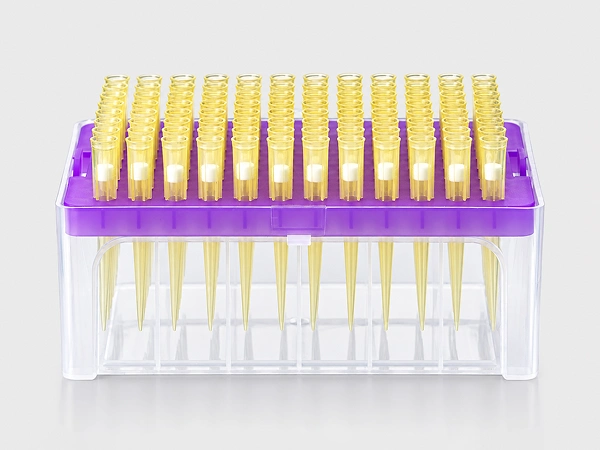
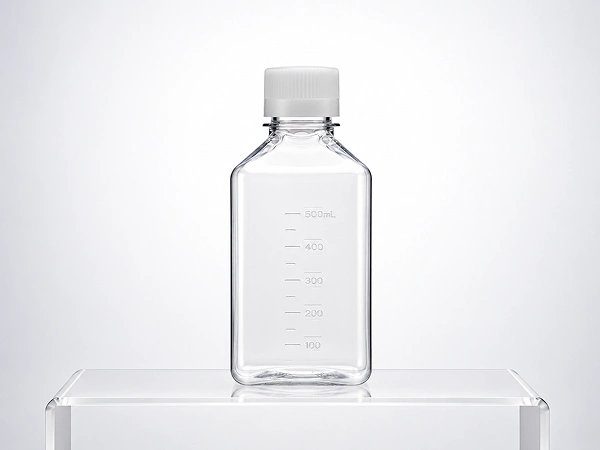

After cell recovery and initial seeding, cells enter the ongoing culture phase. Researchers need to perform routine observations, replace the culture medium, and maintain culture conditions according to the growth status of the cells to support stable growth.
Once the cells reach a suitable growth density, cell separation, resuspension, and reseeding can be performed to begin the next culture cycle. Depending on the number of cells required for the experiment, this process can be repeated several times to gradually scale up the culture.
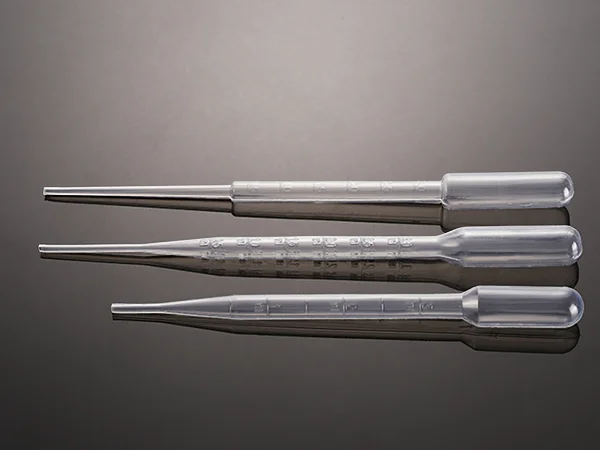
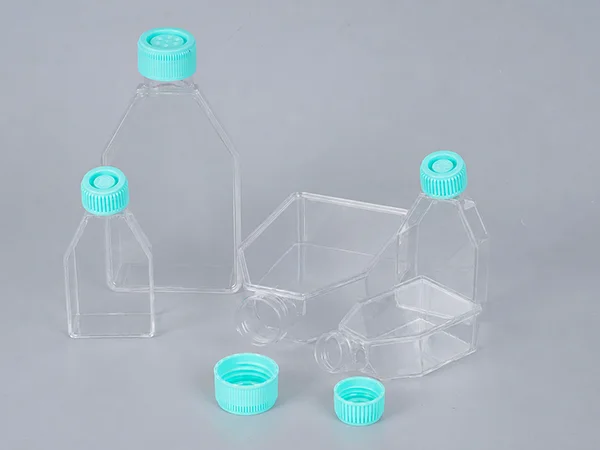
Depending on the cell type, culture method, and experimental scale, choose suitable culture vessels such as flasks, culture plates, culture dishes, or culture chambers, and use liquid handling consumables for operations such as medium change, passaging, and expansion.


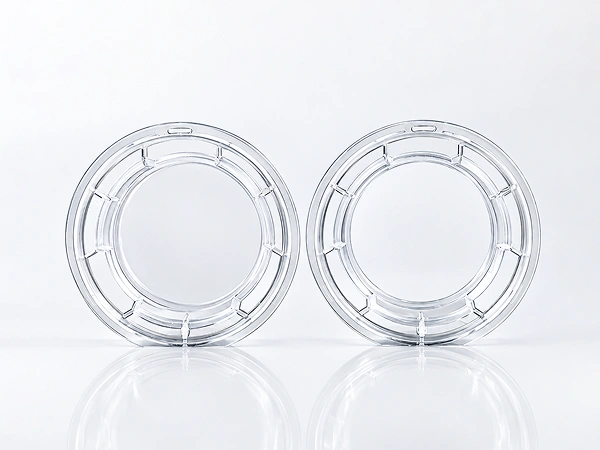
Once the cell number and growth status meet the experimental requirements, cells can proceed to the cell harvesting stage.
Depending on the cell type and the purpose of downstream experiments, cells may undergo separation, collection, centrifugation, washing, and resuspension, and then be used for cell assays, nucleic acid analysis, protein analysis, cryopreservation, or other downstream research.
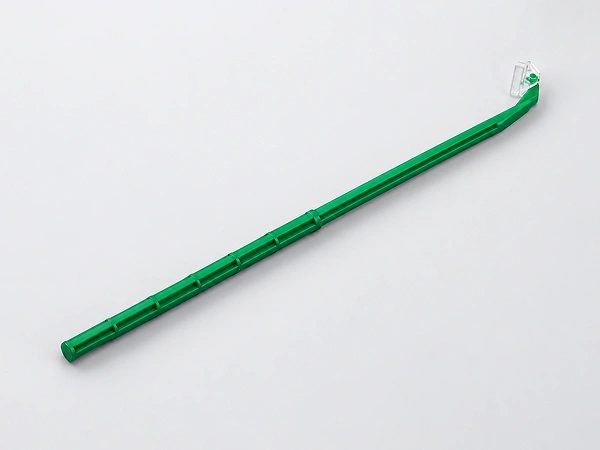
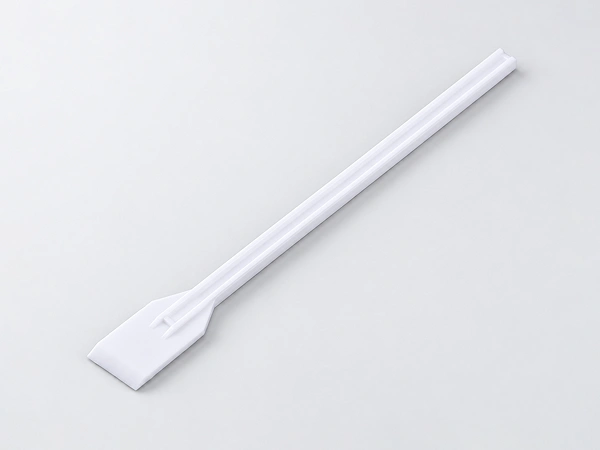
For adherent cells, a cell scraper or cell lifter can be used to assist with cell separation and collection as needed for the experiment. Suitable sample collection, centrifugation, and storage consumables help bridge the transition from culture to downstream experiments.

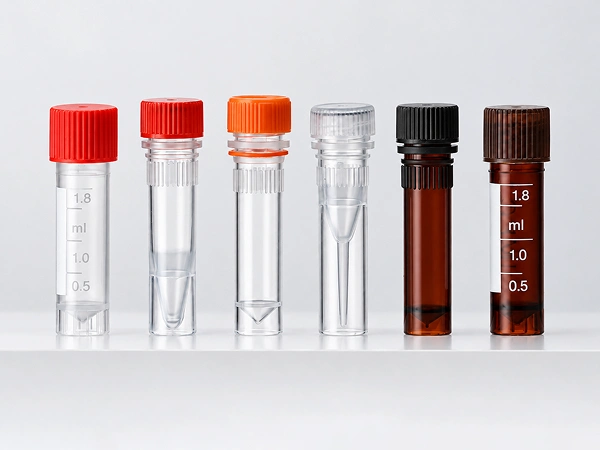
Contamination control is essential throughout the entire cell culture process. Good aseptic practices are required throughout media and reagent preparation, cell seeding and medium change, passaging, harvesting, and sample handling. Choosing clean, stable consumables suitable for cell culture and standardizing liquid transfer, culture vessel use, and sample handling procedures can help reduce the risk of microbial and cross-contamination, maintain stable cell growth status, and improve experimental reproducibility.

From culture preparation and routine maintenance to cell harvesting and downstream processing, we provide laboratory consumables and complementary products for the key stages of cell culture, supporting laboratories in establishing stable, efficient cell culture workflows.