- Products
- Solutions
-
SolutionsExplore All Solutions
-
- Support
-
SupportExplore All Support
-
- About us
-
About usExplore All About us
-
- Contact

English
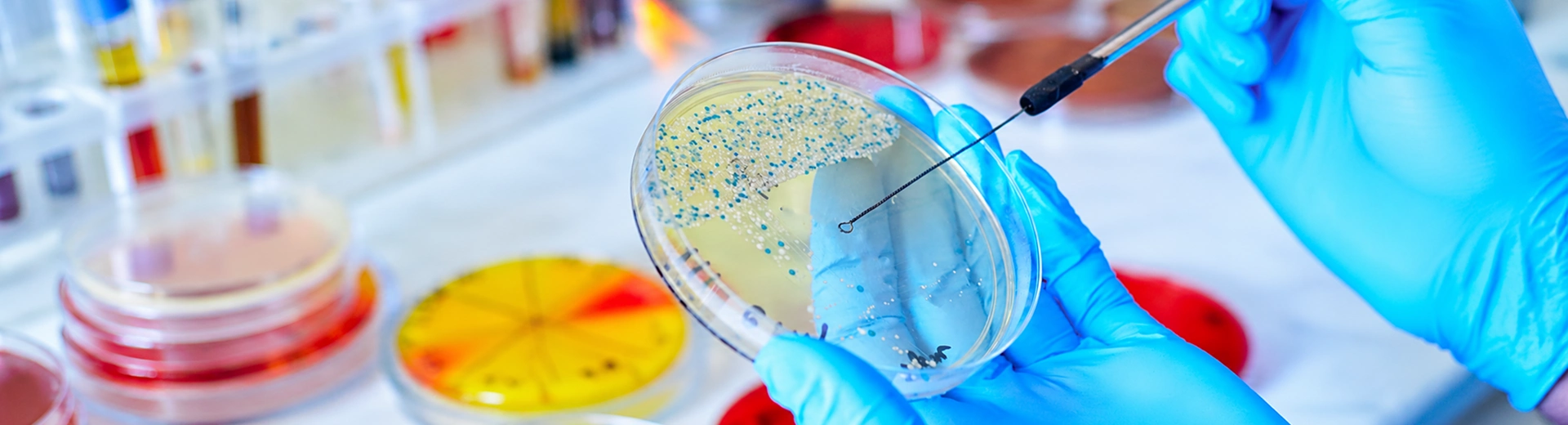
Routine microbial culture and testing typically begin with sample collection and preparation. Inoculation and culture yield cultures for observation and testing, followed by colony counting, microscopic observation or further identification as dictated by the experimental purpose. These connected steps provide a foundation for microbiological research and related quality testing.
Different stages of laboratory work have different requirements for consumable sterility, container specifications, liquid-handling performance, culture suitability, and sealing performance. Selecting suitable sample containers, culture vessels, inoculating tools, and storage consumables based on sample type, experimental method, and conditions of use can provide support for the key steps of microbiological testing.
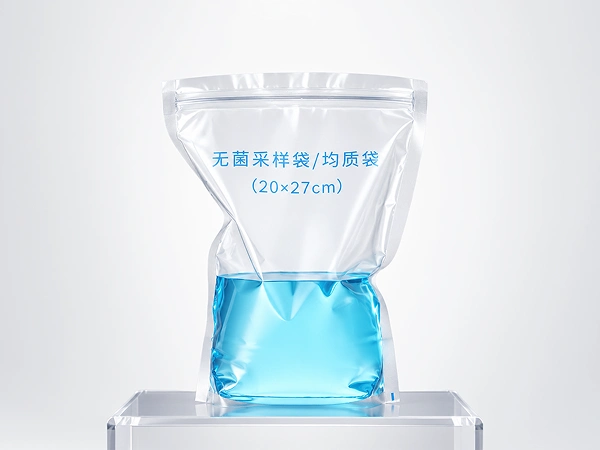
Samples for microbiological testing may come from food, liquids, raw materials, environmental surfaces, and other sources. Select appropriate sampling tools and containers based on the sample type and testing objective, then collect, label, and transfer the sample while preserving a representative sample for subsequent processing.
Before inoculation and culture, homogenize, mix, dilute, or aliquot the sample as required by the test method. During sampling and pre-treatment, pay attention to container sterility, seal integrity, and suitability for the procedure to reduce interference from external contamination in subsequent testing; When homogenization is required, select bags suitable for the equipment and operating conditions.

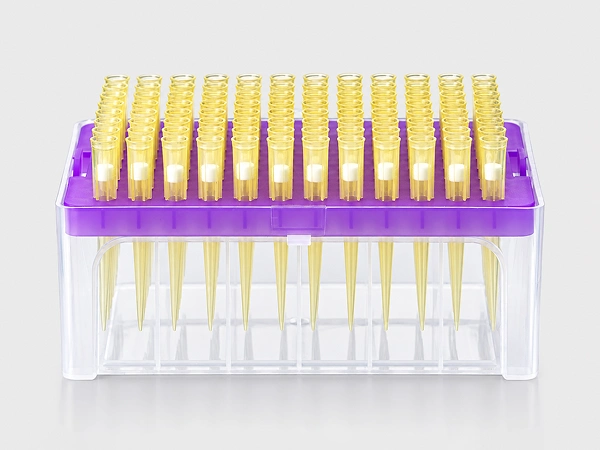
After completing sample preparation, inoculate the sample into an appropriate culture medium according to the experimental method, and incubate it under the corresponding conditions. Operations such as streak plating, surface spreading, and broth inoculation are suitable for different experimental purposes and can be used for microbial isolation, culture, and preparation for subsequent testing.
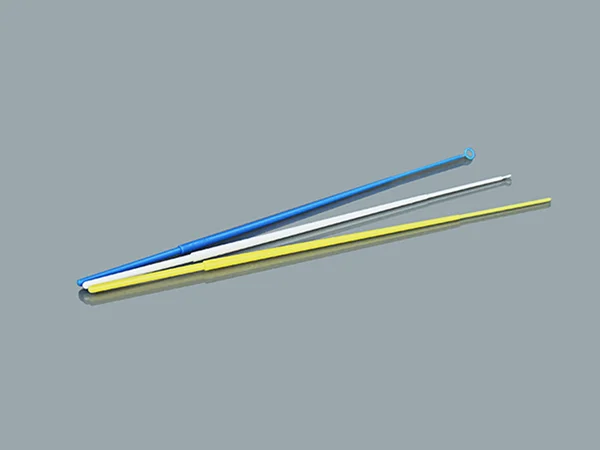
Petri dishes and culture tubes provide vessels for microbial growth; inoculating loops, needles, and spreaders are used for sample transfer and inoculation. When selecting products, consider the cultivation method, volume of culture medium, and operating preferences to find suitable vessel sizes and inoculating tools.

After incubation, observe and test the culture according to the experimental objective, for example by colony counting, observing colony morphology, microscopic examination, or further biochemical identification, and record and analyze the results. Different tests may follow their respective analytical workflows, and some may also require colonies to be picked for further confirmation.
Samples or strains to be retained may be aliquoted, labeled, and stored according to experimental requirements. For strain preservation, select an appropriate method based on the microorganism’s characteristics, intended downstream use, and storage period, and use suitable containers and preservation media; For low-temperature storage, also confirm that the tubes, sealing structures, and storage accessories are suitable for the intended conditions.
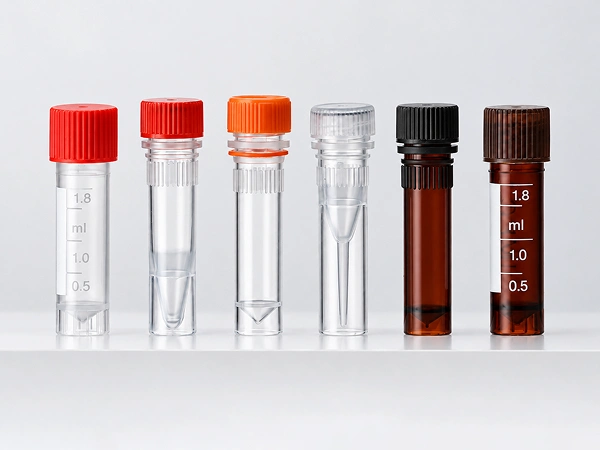

For sample preparation, inoculation and culture, and subsequent testing, select sample containers, Petri dishes, culture tubes, inoculating tools, microscopy supplies, and storage consumables according to sample type, experimental method, processing throughput, and storage conditions.
When selecting products, also check specifications, materials, sterilization method, packaging format, and equipment compatibility requirements to establish a coordinated set of consumables for each stage of the experiment.