- Products
- Solutions
-
SolutionsExplore All Solutions
-
- Support
-
SupportExplore All Support
-
- About us
-
About usExplore All About us
-
- Contact


English
Nucleic acid preparation, target sequence amplification, and results analysis are important parts of many molecular biology experiments. Research involving DNA and RNA typically requires extracting and purifying nucleic acids from biological samples, then carrying out PCR, qPCR, or other experiments according to the application, followed by the corresponding results analysis and further processing.
From sample preparation through amplification and detection, different stages have different requirements for consumable cleanliness, sample recovery, liquid handling performance, sealing performance, and instrument compatibility. Selecting suitable tubes, plates, tips, and sealing accessories based on the experimental method, sample volume, and processing throughput can provide support for key stages of nucleic acid workflows.
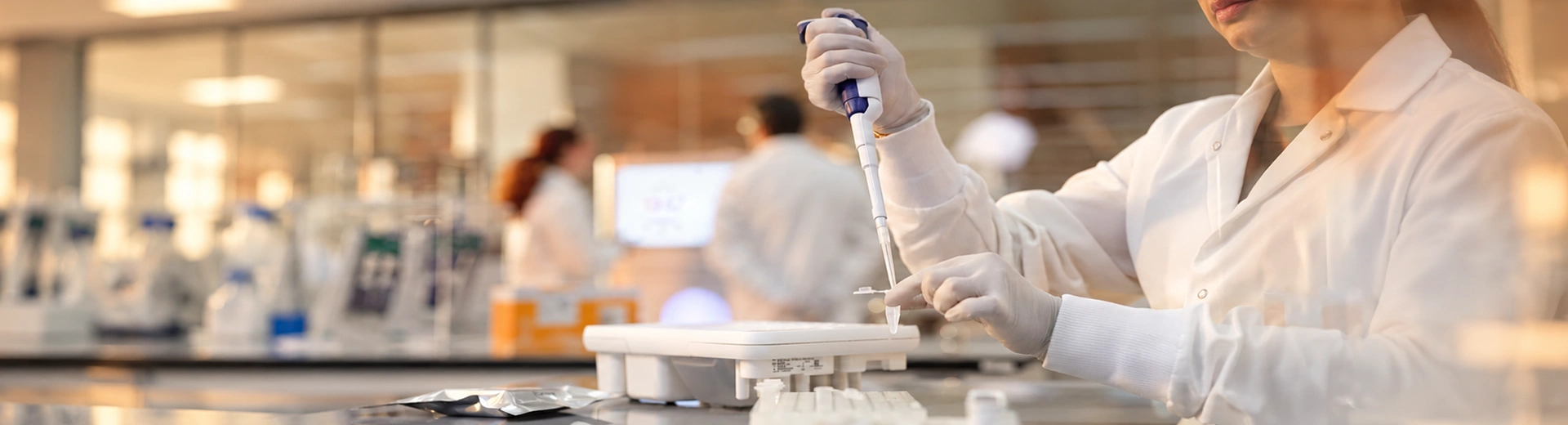
Samples for molecular biology experiments may come from cells, tissues, blood, microorganisms, and other sources. Depending on the sample type and research objectives, first perform any necessary pretreatment, then use an appropriate extraction method to release, isolate, and purify nucleic acids, reducing the effects of impurities and amplification inhibitors on downstream experiments. Centrifugation, mixing, liquid transfer, and nucleic acid collection are carried out throughout this stage.
After obtaining the nucleic acid, perform quality checks and adjust the concentration as needed according to the requirements of subsequent experiments, preparing a suitable template for reverse transcription, target sequence amplification, or other nucleic acid analyses. Consumables should be selected to suit the sample processing volume, nucleic acid purity requirements, and the need to minimize sample loss.


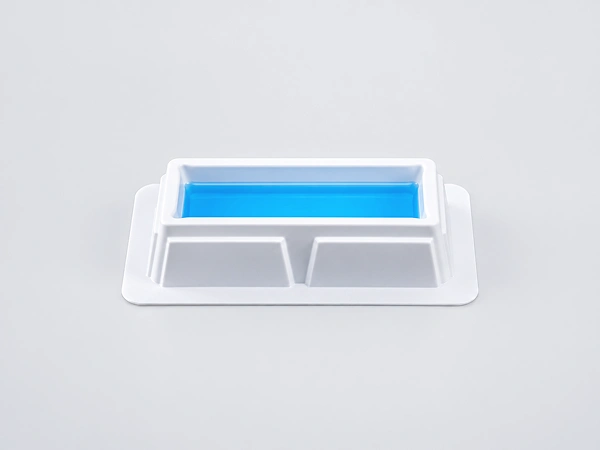
After nucleic acid preparation, prepare the reaction mixture according to the experimental method. Add the template, primers, enzyme, and other components to a reaction tube or reaction plate, seal it, and then perform amplification. For related experiments using ribonucleic acid as the starting material, the reverse transcription step must also be scheduled according to the method. Real-time quantitative fluorescence amplification collects fluorescence signals during the reaction, providing data for subsequent result analysis.
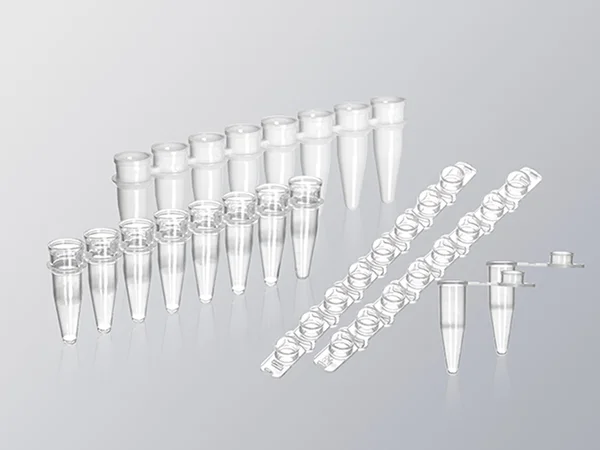
Reaction consumables must be compatible with the instrument’s thermal block, reaction volume, and detection method. Tube and plate dimensions, skirt style, and compatibility with caps and plate seals all affect handling and sealing performance; For fluorescence reading, also select optical tube caps or optical plate seals that meet the instrument’s requirements.
After amplification is complete, analyze the data or process the products according to the experimental objectives. Conventional amplification products can be checked for fragment sizes and band patterns using methods such as gel electrophoresis, then purified or studied further as needed; Real-time quantitative PCR experiments primarily involve analyzing fluorescence data collected during the reaction. Different experiments may follow appropriate downstream workflows.
Nucleic acid samples or amplification products that need to be retained can be aliquoted, sealed, and stored according to their intended downstream use. Nucleic acid low-binding containers help reduce sample loss caused by binding to the tube wall; Storage containers and sealing accessories should be selected to match sample volume, storage temperature, and retrieval method. Nucleic acid samples can also be aliquoted for storage as needed after extraction.
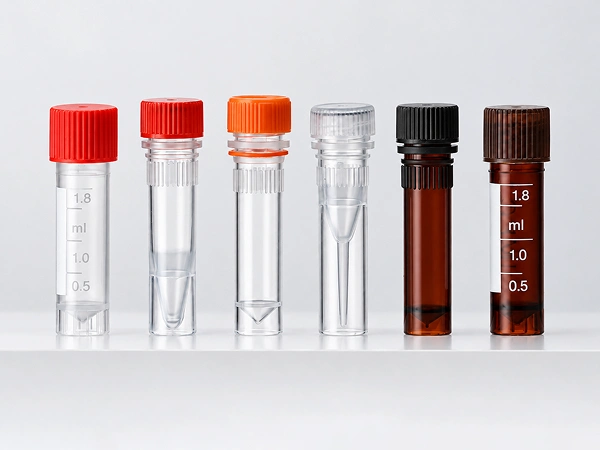

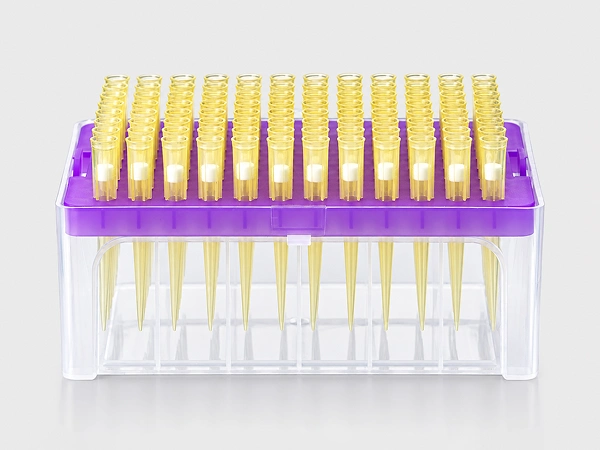
From nucleic acid extraction and purification to amplification, detection, and downstream sample management, consumables should be selected based on the experimental method and actual conditions of use. Microcentrifuge tubes and liquid-handling consumables support sample preparation; reaction tubes, 8-tube strips, and reaction plates support amplification workflows; low-binding containers and sealing accessories support sample recovery and storage.
Select products based on sample type, processing throughput, reaction volume, instrument model, and storage requirements to create a coordinated set of consumables for the main stages of molecular biology experiments.