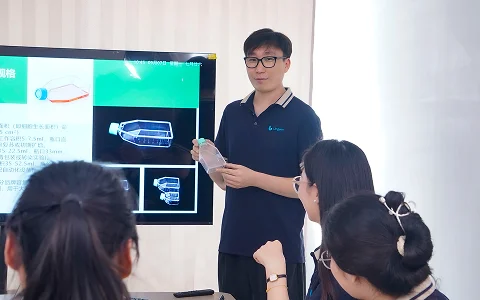

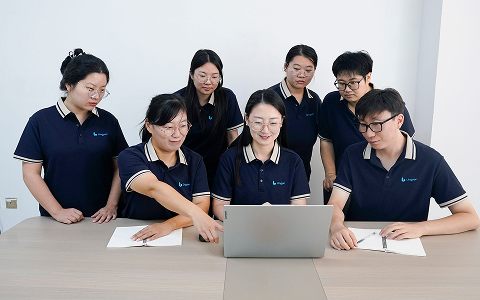
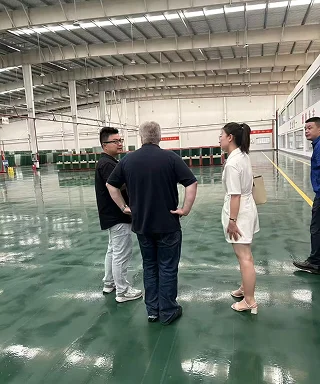
Onsite communication at industrial glass partner factory

Industrial glass is commonly used in applications such as liquid level displays, equipment viewing windows, and fluid control systems, with high requirements for material stability, dimensional accuracy, thermal shock resistance, and bending strength. For long-term supply projects, production capacity alone is insufficient; establishing a stable and traceable quality management system is equally important.
This industrial glass project originated from our early supply chain quality management practices. The methods developed for partner factory selection, standard confirmation, process inspection, and batch record management were later applied to our laboratory consumables supply services.
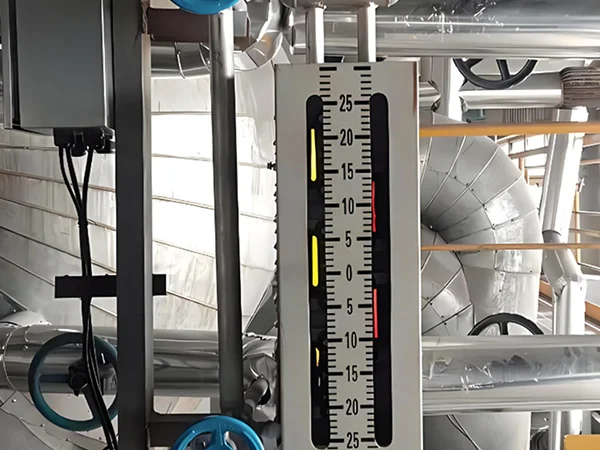
In this project, the customer sought a cooperative industrial glass factory in China with stable quality, strong collaboration, and the capability to support long-term supply. After communicating with and inspecting multiple factories, Lingyan selected Pujiang Yaote as the cooperative manufacturer and assisted the factory in establishing and refining quality management processes based on the customer’s requirements regarding standards, testing, documentation, and delivery stability.
The focus of this project is not merely completing supply coordination but assisting customers in establishing a clearer, more stable, and traceable supply process. Lingyan participated in partner factory evaluation, quality requirement communication, testing item confirmation, and Batch Record organization, enabling customers to better understand product quality control methods.
In terms of the quality management system, the project referred to the management concepts of the ISO9001 quality management system to streamline partner factory aspects including personnel management, production equipment, production processes, finished product inspection, and quality records.
Through process confirmation, the factory established a clearer management approach for production records, inspection standards, exception feedback, and shipping documents, providing a more stable quality foundation for subsequent mass supply.
In terms of standard implementation, the project refers to the relevant requirements of DIN7080 and DIN7081 and, combined with customer-confirmed testing items, applies the standard requirements to raw materials, tempering treatment, dimensions and appearance, and finished product inspection stages.
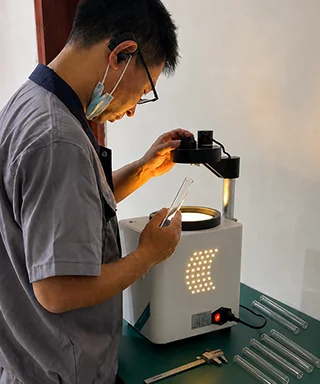
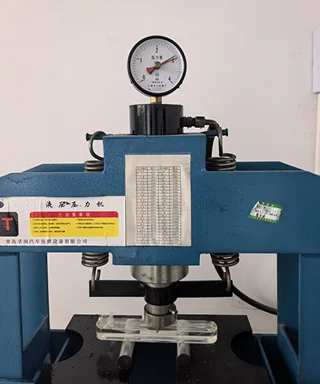
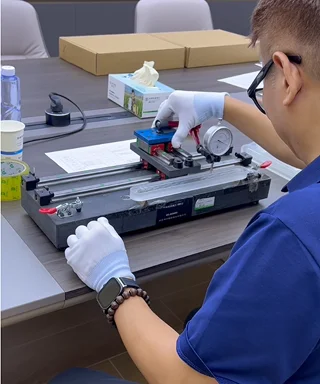
After establishing the quality process, each batch of industrial glass products is inspected according to standards, and quality inspection records are provided before shipment. Through factory selection, improvement of the quality management system, standard implementation, and batch quality control, this project has helped customers establish a more stable, transparent, and traceable supply process.
This case also reflects Lingyan’s approach to cooperative factory management and quality control implementation: focusing not only on whether the product can be produced but also on whether quality requirements are clear, inspection processes are stable, batch records are complete, and long-term supply is reliable.