Pay attention to lid design, compatibility, and packaging requirements
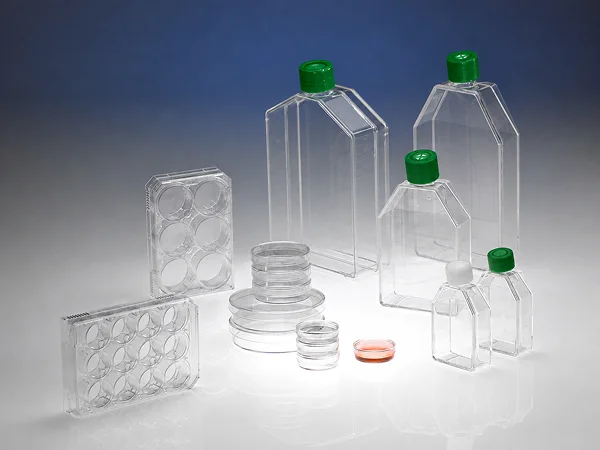
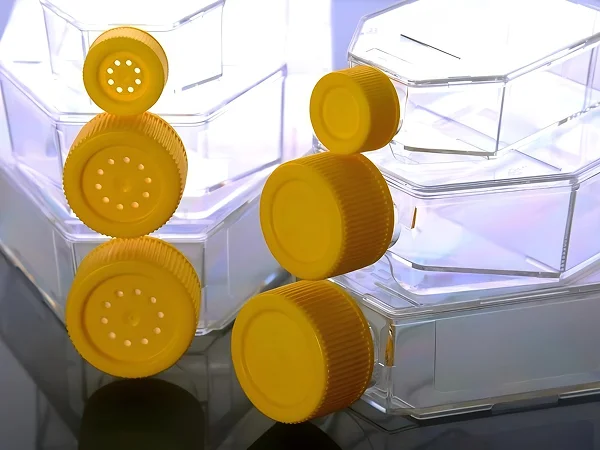
Cell culture flasks usually require focus on lid type. Ventilated lids suit culture environments needing gas exchange, while sealed lids are preferable for short-term transfer, storage, or when sealing is essential.
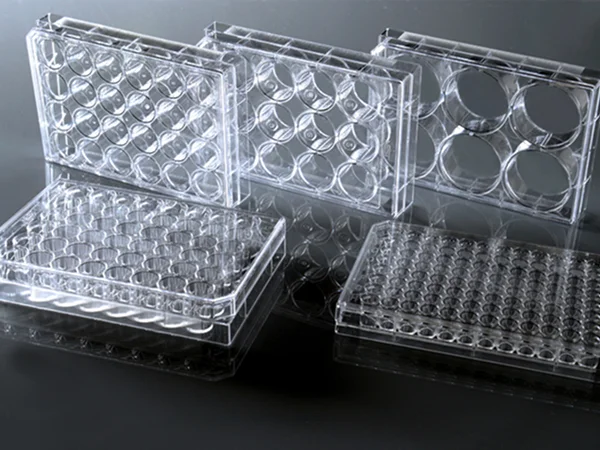
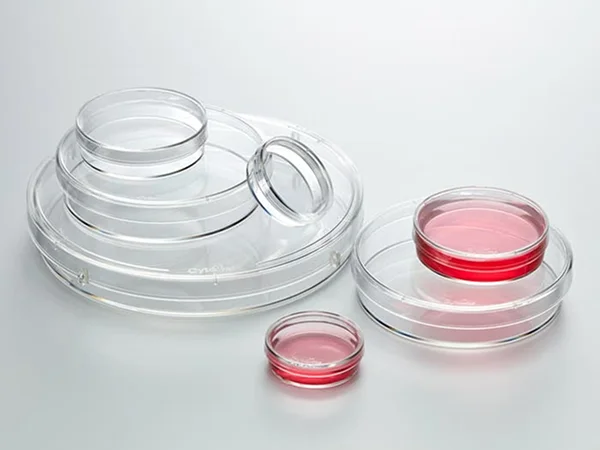
Cell culture plates require checking compatibility with plate readers, microscopes, or automated pipetting systems; Cell culture dishes require attention to transparency, flatness, and microscopic observation quality.
Regarding packaging, individual packaging suits experimental settings with stricter contamination control, while bagged or bulk packaging is suitable for frequent use and bulk purchases. Distributors and brand clients can also consider whether OEM packaging, custom labels, and long-term stable supply are supported.
Cell culture flasks with sealed lids and ventilated lids
Porous cell culture plate
Transparent cell culture dish
When selecting cell culture consumables, it is necessary to comprehensively consider cell type, surface treatment, culture purpose, product form, culture scale, sterilization level, gas exchange, instrument compatibility, and packaging requirements. Adherent cell culture usually prefers TC-treated cell culture flasks, cell culture plates, or cell culture dishes; For suspension cell culture or special experiments, untreated or specially treated surfaces need to be selected according to the application. Lingyan can provide cell culture consumables selection support based on the customer's experimental applications, product specifications, packaging methods, and procurement plans, helping customers confirm the right products faster and improve procurement communication efficiency.